
-
Shop by category
Explore all dealsExplore this collection for more finds.
View this find
- Amazon Best Sellers
- Under $25
-
Shop by brand
View all brandsExplore this collection for more finds.
View this find
-
eDeals & offers
Explore all dealsExplore this collection for more finds.
View this find
- Shopping guides
- Compare products Free tool
-
Shop by category
Explore all dealsExplore this collection for more finds.
View this find
- Amazon Best Sellers
- Under $25
-
Shop by brand
View all brandsExplore this collection for more finds.
View this find
-
eDeals & offers
Explore all dealsExplore this collection for more finds.
View this find
- Shopping guides
- Compare products Free tool
THE EVERYDAY EDITToys & Games
A Tiny Menu, Three Rebuilds: Turn Food Builds Into a Story Routine
A simple pretend-menu routine can give a food-themed building session a clear beginning, middle and reset. Use one model as the starting point, let a child choose what the menu needs next, then make rebuilding part of the story.
Explore the picks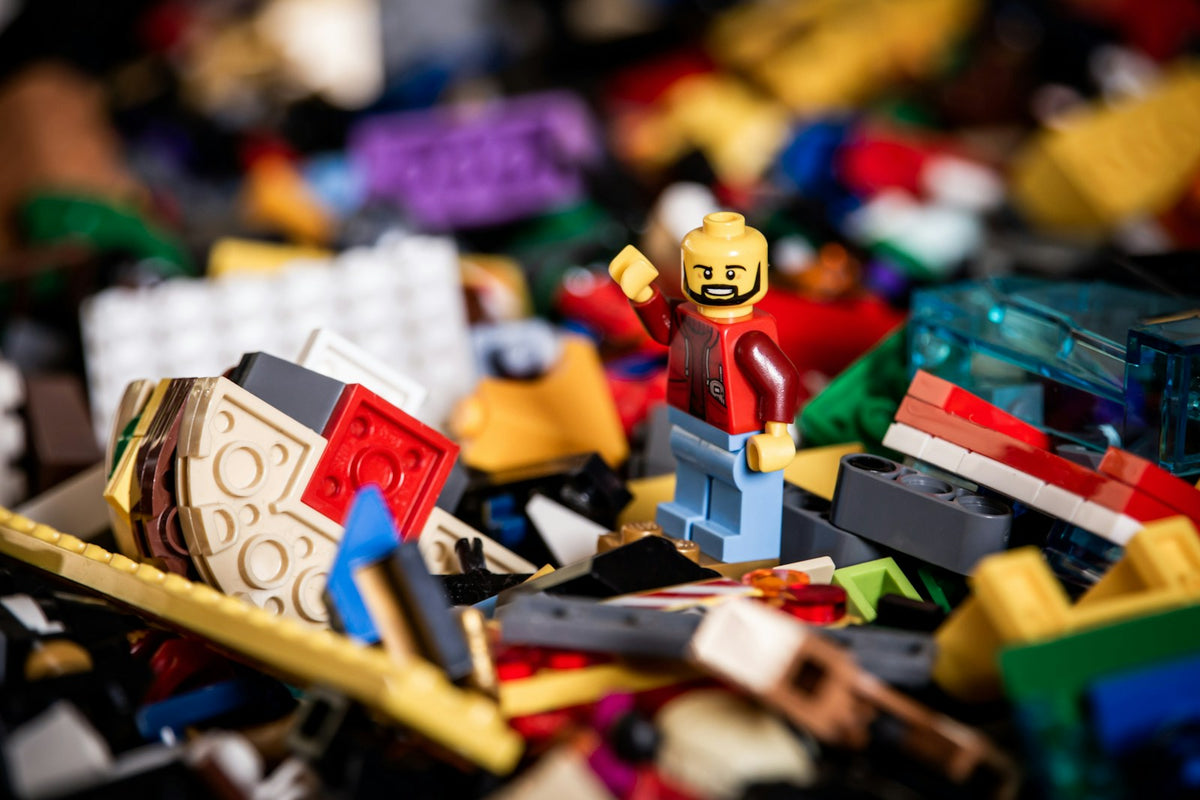
A small change can make an open-ended building session easier to start: instead of asking, “What should we build?”, begin with a pretend customer and a menu problem. The LEGO Classic Creative Food Friends set includes instructions for building a cupcake, ice cream, avocado and taco, then rebuilding them into a cake with sprinkles, bubble-tea drink, pear and panini. That gives you ready-made story beats without needing to invent a complicated game. The aim is not to follow a fixed script, but to use each rebuild as a cue for what happens next.
Ad · We may earn a commission. As an Amazon Associate I earn from qualifying purchases.
1. Give the first build a job
Before building, name a customer and one simple request: “A visitor wants a snack for the trip,” or “The café needs something to put on its menu.” Let the child pick a starting model from the guide, such as the cupcake or taco. This gives the first build a purpose while keeping the choice with the builder. If choosing feels like too much, offer two options rather than deciding for them.
2. Turn the rebuild into the story’s change
Once the first item is ready, introduce a new detail that makes a different model useful: the customer wants a drink, the café needs a fruit option, or the order is for sharing. Invite the child to rebuild toward one of the alternate models listed in the set description, such as bubble tea, a pear or a panini. The change is the small upgrade: a build is no longer just a finished object, but the answer to the next story prompt.
3. Keep choice inside a small frame
Open-ended building can be exciting, but a completely blank prompt may stall a session. Offer a choice between changing the menu item and adding a decorative detail. The set includes colorful bricks and special pieces such as eyes, mouths and decorative elements, so a child can use those details to give a food model a character. If they would rather make their own variation, treat the guide as a starting point rather than a required sequence.
4. Make the handoff part of play
When a model is ready, have the child “serve” it, describe who ordered it, or place it beside the next menu choice. That brief handoff creates a natural pause before rebuilding and helps the session feel like a connected story rather than a string of unrelated models. Keep the prompt short; the child can supply the dialogue, or simply decide which item comes next.
5. End with a clear reset
Choose an ending before attention fades: finish the pretend order, pick one model to leave built for now, or take the models apart and sort the bricks together. This avoids treating cleanup as an unexpected interruption. If you want to repeat the routine another day, finish with a question such as “What might the next customer ask for?” rather than trying to preserve a full plot.
Before you decide
- Start with one pretend customer or menu request.
- Let the child choose a model or choose between two options.
- Use a new story detail to prompt one rebuild.
- Offer decorative pieces or a child-invented variation as another route.
- End with a serving moment, a model choice, or a shared reset.
A relevant item to explore

LEGO Classic Creative Food Friends Building Toy Set - Pretend Play Food for Kids, Boys and Girls, Ages 4+ - Learning and Educational Toy for Preschool - Gift Idea for Birthdays - 11039
The LEGO Classic Creative Food Friends set is relevant because its described cupcake, ice cream, avocado and taco builds can be rebuilt into a cake with sprinkles, bubble-tea drink, pear and panini. Its included guide and decorative pieces provide starting points for this menu-based play routine.
View the exact item and current retailer offer →
Check the exact variant, seller, included pieces, care instructions and current terms. Purchases and checkout take place with the retailer.
Common questions
Does the session need to follow the guide in order?
No. The supplied description says a step-by-step guide is included and identifies several models and rebuilds. Use it for ideas, or let the child choose a different order.
What if the child wants to keep building instead of acting out the story?
Let the story remain a light prompt. They can simply choose which model to build next; pretend dialogue is optional.
Explore this subject
Prepared by Biz E-Deals using product listing information and general shopping considerations. We have not personally tested the item. Listing information can change; confirm details with the retailer.
Lifestyle context photo: Photo by Denny Müller on Unsplash. The pictured setting and items illustrate the topic; exact featured products are shown separately in this guide.
Your next useful read
Explore shopping guides →
Toys & Games
Turn a DUPLO Street Build Into a Tiny Story
A simple storytelling routine can make one small DUPLO build serve three different kinds of play: constructing a scene, acting out a journey and sp...
Read the guide
Toys & Games
One Holiday Afternoon or Two Short Sessions? Plan a Two-Figure Build
A two-figure holiday building set offers a useful planning choice: make an occasion of finishing together, or leave room for a second session. Here...
Read the guide
Toys & Games
A Small Build With Three Ways to Play: Choosing a Rebuildable Animal Set
A practical guide to deciding whether a compact, rebuildable animal set suits your space, play style and gift plans.
Read the guideThe Biz E-Deals edit
Good finds. A little less searching.
Choose your email topics, start with our welcome guide, and join the list for upcoming curated editions.
Savings explained
More to discover
Choose my emails
Choose your email topics on the next page, then confirm in your inbox. Free and optional. No account needed. Privacy policy