
-
Shop by category
Explore all dealsExplore this collection for more finds.
View this find
- Amazon Best Sellers
- Under $25
-
Shop by brand
View all brandsExplore this collection for more finds.
View this find
-
eDeals & offers
Explore all dealsExplore this collection for more finds.
View this find
- Shopping guides
- Compare products Free tool
-
Shop by category
Explore all dealsExplore this collection for more finds.
View this find
- Amazon Best Sellers
- Under $25
-
Shop by brand
View all brandsExplore this collection for more finds.
View this find
-
eDeals & offers
Explore all dealsExplore this collection for more finds.
View this find
- Shopping guides
- Compare products Free tool
THE EVERYDAY EDITPatio & Garden
Garden Hose Spec Mistakes: Match Diameter, Pressure and Fittings
Avoid choosing a garden hose by length or a “heavy-duty” label alone. Learn how to check diameter, pressure figures and fitting details against your watering setup, and what to verify when listing claims don’t answer your questions.
Explore the picks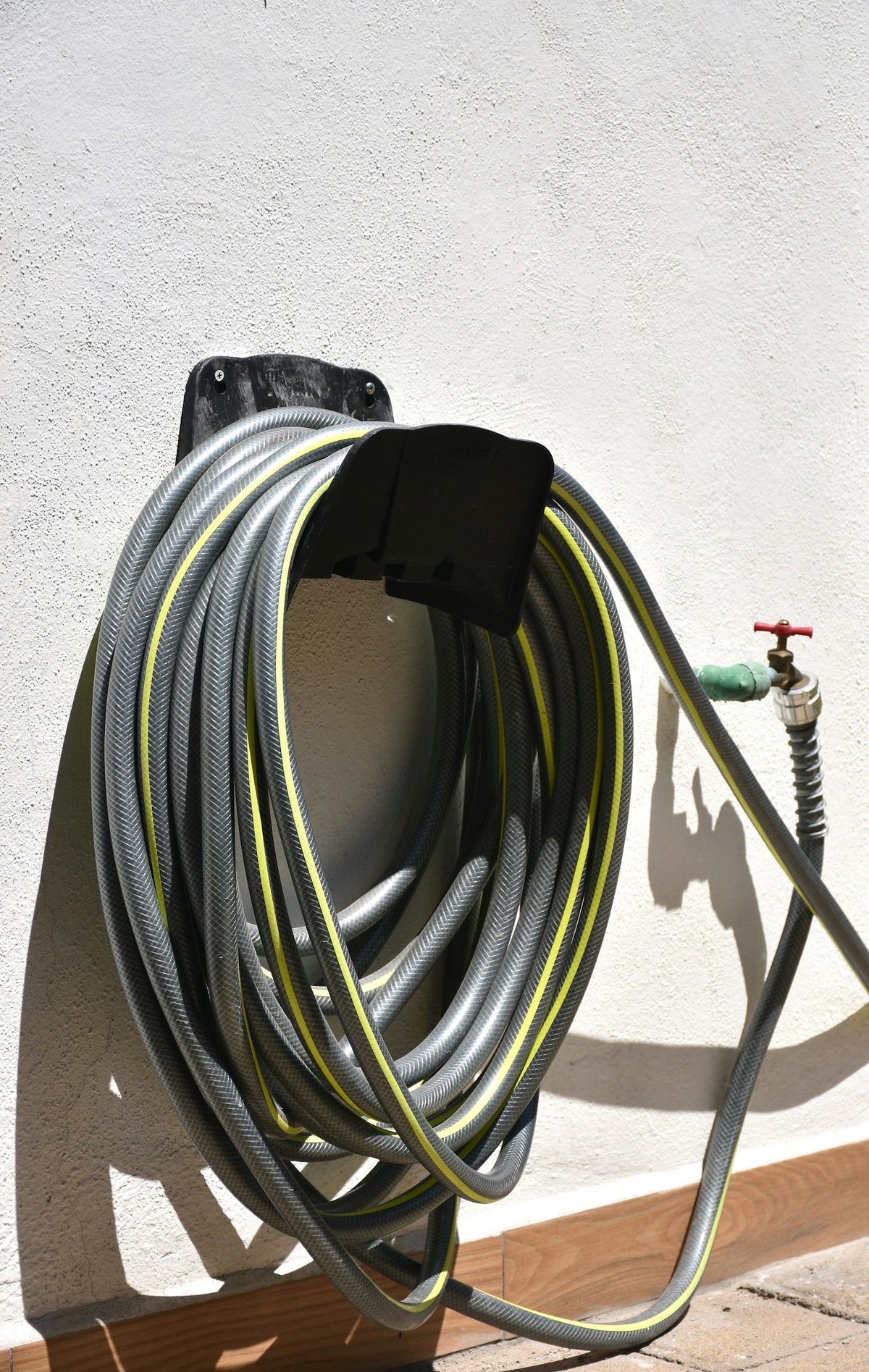
A hose can look suitable on paper and still be a poor match for the job or the equipment it needs to connect to. Before choosing one, translate the listing’s specifications into a few practical checks: what diameter your setup uses, how to interpret pressure figures, and what fitting details need confirmation. These small steps can help you avoid treating broad product claims as proof of compatibility.
Ad · We may earn a commission. As an Amazon Associate I earn from qualifying purchases.
Mistake: Treating “standard” diameter as a compatibility guarantee
Correction: Check the hose’s stated inner diameter against the equipment you plan to use, such as a sprinkler or nozzle. A listing’s use of “standard” doesn’t confirm that every accessory in your shed will fit or work as expected. The SPECILITE listing specifies a 5/8-inch inner diameter; use that as a comparison point, not as confirmation about your other equipment. If an accessory’s requirements aren’t available, look them up or ask the manufacturer before deciding.
Mistake: Comparing pressure numbers without separating their meanings
Correction: Read the labels attached to each figure and compare like with like. The SPECILITE listing gives a 600 PSI burst pressure and a 200 PSI work pressure. Those are different stated measures, so don’t use the burst figure as though it were the working-pressure specification. Check the pressure requirements or limits for your own water supply and attached equipment; if those aren’t clear, get the figures from their documentation before relying on a match.
Mistake: Assuming brass fittings mean every connection is settled
Correction: Confirm the fitting size and connection type needed at both ends of your setup. The product listing describes 3/4-inch solid brass fittings, but that detail alone doesn’t establish compatibility with every tap, connector or accessory. Compare the stated fitting details with the parts you already own, and check whether any extra adapter is required. Don’t infer a leak-free connection from the material claim: the actual fit and condition of the connection still matter.
Mistake: Letting a broad “heavy duty” claim replace task planning
Correction: Start with the watering job, then check whether the hose’s stated dimensions and specifications suit it. The listing gives a 50-foot length and a 5/8-inch inner diameter, and mentions watering, car washing and yard washing as possible uses. Those descriptions don’t establish that the hose is the right length or fit for your particular layout or equipment. Consider where you’ll use it and what it must connect to, then verify the relevant measurements instead of relying on the label.
Mistake: Treating product claims as answers to questions they don’t address
Correction: Make a short list of unresolved details before purchase. The listing describes the hose as lightweight, flexible and suitable for a stated temperature range, but it does not provide every answer a shopper might need about storage, accessory compatibility or the requirements of a specific water source. Check those details against your situation. If a claim is important to your decision but isn’t supported by the information available, leave it unassumed and seek clarification.
Before you decide
- Compare the stated inner diameter with your accessory requirements.
- Keep burst pressure and work pressure distinct when reviewing specifications.
- Confirm fitting size and connection type at both ends.
- Check the planned hose length against your actual setup.
- Verify any important detail that the listing does not establish.
A relevant item to explore

SPECILITE Garden Water Hose 50 ft x 5/8" for yard, Heavy Duty & Flexible
The SPECILITE Garden Water Hose is relevant as a concrete example of how to read a listing: it states a 50-foot length, 5/8-inch inner diameter, 3/4-inch brass fittings, and separate burst and work pressure figures. Those details support comparison, but do not establish compatibility with a particular setup.
View the exact item and current retailer offer →
Check the exact variant, seller, included pieces, care instructions and current terms. Purchases and checkout take place with the retailer.
Similar options to compare
Compare the exact versions, dimensions, included pieces and current retailer terms against the checklist above.
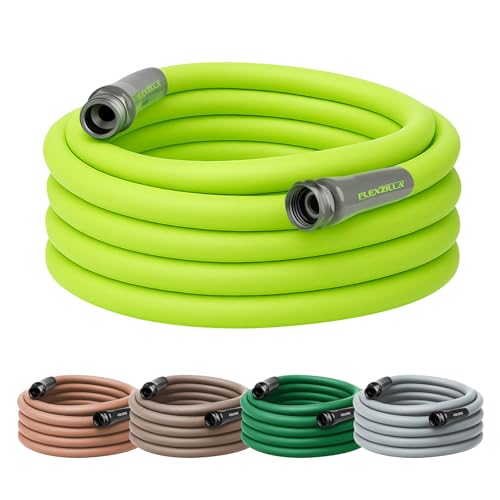
Flexzilla Garden Hose 5/8 in. x 50 ft., Lightweight All-Weather Water Hose, Durable and Flexible, Leak-Free Connections

YAMATIC Flexible Garden Hose 5/8" x 50ft, 360° Swivel Handle, Burst 600 PSI
Common questions
What pressure figures does the SPECILITE listing provide?
It states a burst pressure of 600 PSI and a work pressure of 200 PSI. Treat them as separate specifications and check which figure is relevant to your setup.
Does a 3/4-inch fitting specification prove the hose will connect to my tap?
No. The listing gives the fitting size, but you still need to compare the connection details with your tap and any accessories.
Explore this subject
Prepared by Biz E-Deals using product listing information and general shopping considerations. We have not personally tested the item. Listing information can change; confirm details with the retailer.
Lifestyle context photo: Photo by Luigy Ghost on Unsplash. The pictured setting and items illustrate the topic; exact featured products are shown separately in this guide.
Your next useful read
Explore shopping guides →
Patio & Garden
Sprinkler or Nozzle? Plan the Hose’s End-of-Watering Routine
A sprinkler can water while you do something else; a nozzle keeps each watering stop under direct control. Compare those trade-offs, plan where the...
Read the guide
Patio & Garden
Garden Hose Lead-In Mistakes: Check the Route Before You Connect
A five-foot garden hose lead-in can suit a short connection, but only if its route and endpoints work for your setup. Avoid common planning mistake...
Read the guide
Patio & Garden
A Smoother Watering Loop: Plan Stops Before Moving the Hose
A small change to your watering route can make a garden hose easier to manage: group nearby tasks, plan a return path and reposition deliberately i...
Read the guideThe Biz E-Deals edit
Good finds. A little less searching.
Choose your email topics, start with our welcome guide, and join the list for upcoming curated editions.
Savings explained
More to discover
Choose my emails
Choose your email topics on the next page, then confirm in your inbox. Free and optional. No account needed. Privacy policy