
-
Shop by category
Explore all dealsExplore this collection for more finds.
View this find
- Amazon Best Sellers
- Under $25
-
Shop by brand
View all brandsExplore this collection for more finds.
View this find
-
eDeals & offers
Explore all dealsExplore this collection for more finds.
View this find
- Shopping guides
- Compare products Free tool
-
Shop by category
Explore all dealsExplore this collection for more finds.
View this find
- Amazon Best Sellers
- Under $25
-
Shop by brand
View all brandsExplore this collection for more finds.
View this find
-
eDeals & offers
Explore all dealsExplore this collection for more finds.
View this find
- Shopping guides
- Compare products Free tool
THE EVERYDAY EDITSports & Outdoors
How to Map a Workout Zone Before Connecting Foam Floor Tiles
A practical sequence for planning a workout area before connecting interlocking foam tiles, from measuring the footprint to checking edge-piece placement and keeping the layout adaptable.
Explore the picks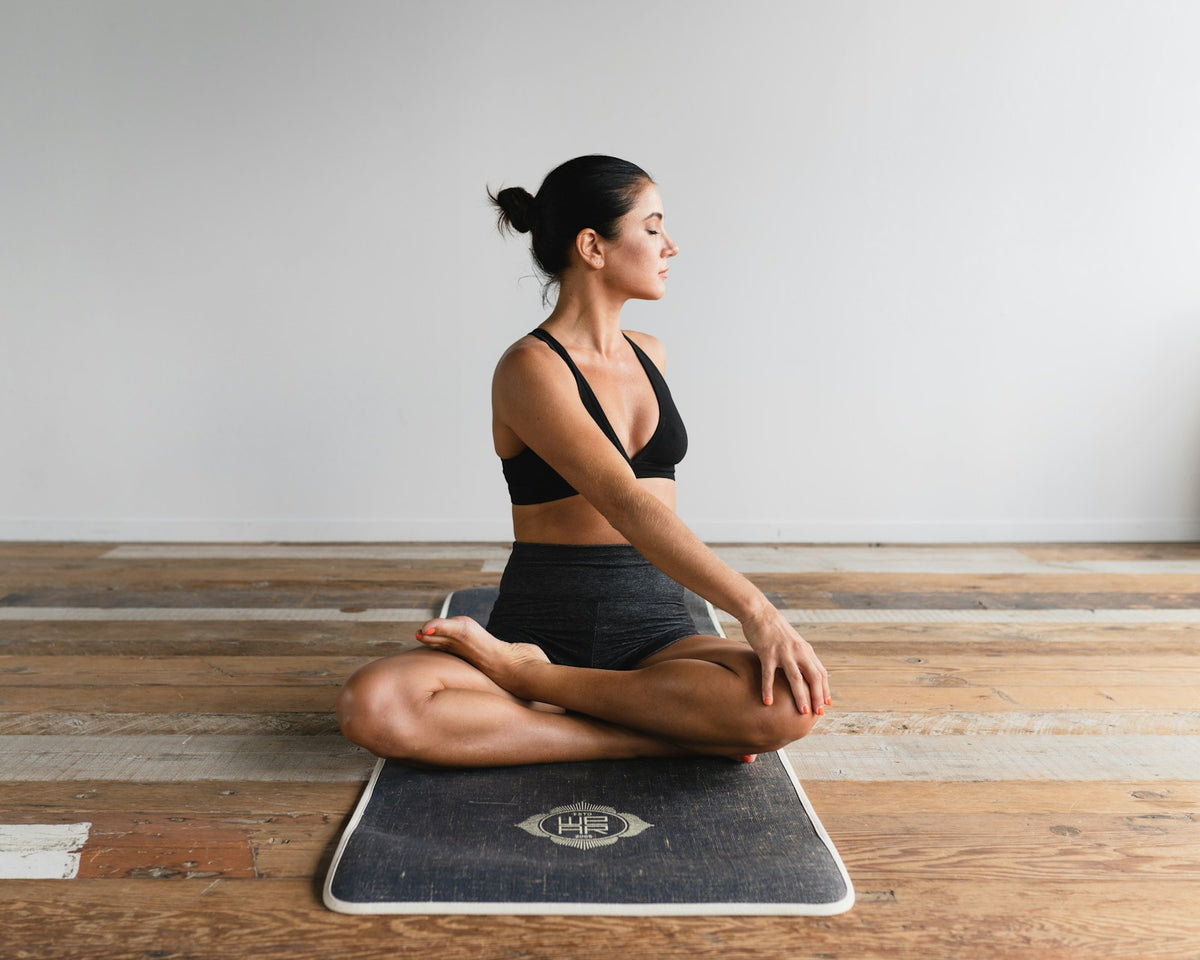
A set of interlocking floor tiles is easier to plan on paper than to rearrange once it fills a workout corner. Start with the activities you expect to do, mark the area they need, and use the tile dimensions to estimate a layout before you connect anything. This process helps you notice tight boundaries, awkward access, and storage needs early—without assuming that one arrangement will suit every session.
Ad · We may earn a commission. As an Amazon Associate I earn from qualifying purchases.
1. Define the activity area before measuring
Write down what the surface needs to accommodate: for example, a mat-based routine, stretching, or a workout that involves changing position. Consider where you need room to move, where equipment might sit, and which side you want to approach from. The product description lists yoga, Pilates, stretching, cross-training, and general exercise among possible uses, but it does not specify how much clearance each activity needs. Let your own planned movements determine the footprint rather than treating the stated coverage as a guarantee of usable space.
2. Turn the available floor into a tile estimate
Measure the length and width of the open area you can actually use, then note any boundary that could affect placement, such as a doorway, furniture, or a wall. Each listed tile measures 12.6 by 12.6 inches, and the set is described as covering 18 square feet in an assembled layout roughly 6 by 3 feet. Use those dimensions as a planning reference: sketch possible rows on paper and see whether the intended footprint fits without blocking access. The stated coverage describes the set, not necessarily the best shape for your room.
3. Test the outline before joining tiles
Mark the proposed rectangle on the floor with removable, non-damaging markers or simply use a paper sketch and measure from fixed edges. Walk around the outline and check whether you can enter, leave, and reach nearby items without crossing the workout area. If the plan feels cramped, adjust the location or shape before assembly. Puzzle-edge tiles are described as easy to assemble, remove, and rearrange, so changing the proposed arrangement is part of the planning process rather than a problem to solve after everything is connected.
4. Decide where the finished edges belong
The listing says the set includes 18 puzzle mats, 18 corner edge pieces, and 18 straight edge pieces. Before attaching perimeter pieces, identify which sides will remain exposed and which sides meet a boundary. Then check the product’s assembly details to confirm how the supplied edges are intended to fit; the available description does not explain a specific edge layout. Planning this step helps you avoid treating every side of the mat zone as though it needs the same finish.
5. Make storage part of the layout decision
If you expect to remove the tiles between sessions, choose a location where the connected pieces can be separated and stored without disrupting the room. The listing describes the tiles as lightweight and stackable, but does not provide storage dimensions for a stack. Check how much shelf, closet, or floor space you can spare, and decide whether you are more likely to keep the zone assembled or put it away. That choice can influence where you place the workout area and how large a layout is practical.
Before you decide
- List the activities the workout zone needs to support.
- Measure the open floor area and note access points or obstructions.
- Sketch a footprint using the listed 12.6-inch tile dimensions.
- Walk around the proposed boundary before connecting tiles.
- Check the instructions for how the included edge pieces are meant to fit.
- Choose a storage spot if you plan to take the tiles apart.
A relevant item to explore

Haulcove 18 Pcs EVA Foam Floor Tiles, Puzzle Exercise Mat Set for Gym
The Haulcove set is relevant because its listing describes 18 interlocking EVA foam tiles, edge pieces, and an approximate 18-square-foot assembled layout. Those details provide a basis for planning a workout-zone footprint; room fit and edge-piece arrangement still need to be checked against the space and product instructions.
View the exact item and current retailer offer →
Check the exact variant, seller, included pieces, care instructions and current terms. Purchases and checkout take place with the retailer.
Common questions
Does the listed 18-square-foot coverage guarantee a 6-by-3-foot fit in every room?
No. The description gives that approximate assembled layout, but room boundaries, access, and the shape you need can affect how the tiles fit. Measure your available area before assembly.
Can I change the layout after connecting the tiles?
The listing says the tiles can be assembled, removed, or rearranged. Check the supplied assembly information for details, and plan a storage location if you expect to take them apart.
Explore this subject
Prepared by Biz E-Deals using product listing information and general shopping considerations. We have not personally tested the item. Listing information can change; confirm details with the retailer.
Lifestyle context photo: Photo by Dane Wetton on Unsplash. The pictured setting and items illustrate the topic; exact featured products are shown separately in this guide.
Your next useful read
Explore shopping guides →
Sports & Outdoors
Marked Stance or Moving Freely? Using a Squat Positioning Mat
A foot-position mat can make a repeatable squat setup easier to see, but marked placement and a compact practice area may not suit every exercise. ...
Read the guide
Sports & Outdoors
How to Choose a Jump Rope for Your Space and Routine
Compare rope length, cable construction, handle feel and available space before choosing a jump rope. A few practical checks can help you find an o...
Read the guide
Sports & Outdoors
Large Workout Mat Mistakes: Check Your Space and Routine First
A large exercise mat can suit more than one kind of workout, but its footprint, thickness, surface and storage needs deserve a closer look. Use the...
Read the guideThe Biz E-Deals edit
Good finds. A little less searching.
Choose your email topics, start with our welcome guide, and join the list for upcoming curated editions.
Savings explained
More to discover
Choose my emails
Choose your email topics on the next page, then confirm in your inbox. Free and optional. No account needed. Privacy policy