
-
Shop by category
Explore all dealsExplore this collection for more finds.
View this find
- Amazon Best Sellers
- Under $25
-
Shop by brand
View all brandsExplore this collection for more finds.
View this find
-
eDeals & offers
Explore all dealsExplore this collection for more finds.
View this find
- Shopping guides
- Compare products Free tool
-
Shop by category
Explore all dealsExplore this collection for more finds.
View this find
- Amazon Best Sellers
- Under $25
-
Shop by brand
View all brandsExplore this collection for more finds.
View this find
-
eDeals & offers
Explore all dealsExplore this collection for more finds.
View this find
- Shopping guides
- Compare products Free tool
THE EVERYDAY EDITBeauty & Personal Care
Shared-Shower Mix-Ups: Label Bottles Without Losing the Details
A practical labeling plan for households where several shampoos share a shelf, with attention to ownership, exact product names and replenishment.
Explore the picks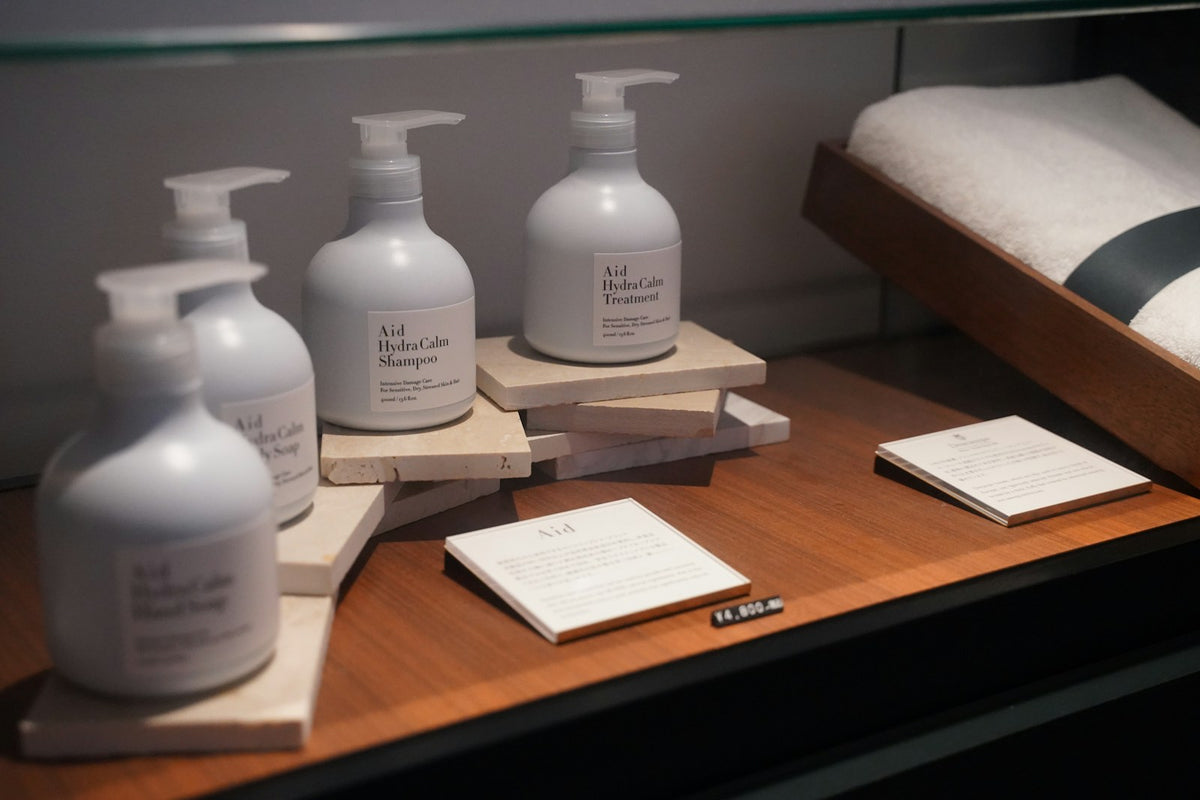
Two people can use similar-looking bottles for entirely different reasons. In a shared shower, a familiar color or bottle shape may not be enough to identify whose shampoo is whose. The useful fix is not another matching container set. It is a small identification system that keeps ownership clear while preserving the product information everyone may need later.
Ad · We may earn a commission. As an Amazon Associate I earn from qualifying purchases.
Mistake: Letting bottle color stand in for a name
Choose a short owner marker, such as an initial, and agree on it with the people sharing the shelf. Pair that marker with the product’s actual name rather than assigning meaning to packaging color. For example, an entry could read ‘Sam — EDENIKA BOTANICALS Tea Tree Oil Shampoo.’ A matching green bottle from a different range would then be visibly different in the household’s record. If two people have the same initial, use names or a second identifier instead of hoping shelf position resolves the ambiguity.
Mistake: Covering the label you will need later
Before attaching a household marker, find a place that leaves the original name, directions, ingredients and other printed information visible. Do not wrap a decorative label over the entire bottle just to make the shelf look uniform. Photograph the original packaging if a removable outer sleeve will be discarded, and keep that image with the product note. The photo is a reference, not a reason to ignore updated directions on a replacement bottle.
Mistake: Assuming a household marker will stay readable
Treat the labeling material as another item to evaluate. Check whether its maker describes it as suitable for the bottle surface and the damp conditions where you intend to use it. A loose or unreadable marker defeats the system. If you prefer not to attach anything to the bottle, assign separate labeled shelf spaces instead. Keep the owner's name in the same position on each marker so someone can identify it without turning every bottle around.
Mistake: Reordering from a vague shopping-list entry
Replace ‘more shampoo’ with the owner, brand, full product name and the version or size actually wanted. Before placing an order, count unopened bottles elsewhere in the home and ask whether the owner still wants that exact product. Mark a purchase as ordered so a second household shopper does not buy it again. This separates three different states—running low, ordered and already in reserve—rather than treating every request as a fresh purchase.
Before you decide
- Agree on unambiguous owner markers.
- Leave original product information visible.
- Choose attached labels or assigned shelf spaces.
- Record exact replacement details and unopened reserves.
A relevant item to explore

EDENIKA BOTANICALS Tea Tree Oil Shampoo, Deep Cleansing for Buildup, Oily & Itchy Scalp
EDENIKA BOTANICALS Tea Tree Oil Shampoo is the specific product example in this identification guide. Its full name is useful when distinguishing it from other shampoos on a shared shelf. The guide makes no prediction about its performance or suitability for an individual.
View the exact item and current retailer offer →
Check the exact variant, seller, included pieces, care instructions and current terms. Purchases and checkout take place with the retailer.
Common questions
What about a product everyone intentionally shares?
Give it a shared label and name one person to manage replacements. That avoids conflicting assumptions about who will notice the bottle is running low.
Should guests be included in the same system?
Designate a separate guest space or clearly identify the products offered for shared use. Move personal bottles to their assigned spaces before a visit so ownership does not need to be guessed.
Explore this subject
Prepared by Biz E-Deals using product listing information and general shopping considerations. We have not personally tested the item. Listing information can change; confirm details with the retailer.
Lifestyle context photo: Photo by yuya kitada on Unsplash. The pictured setting and items illustrate the topic; exact featured products are shown separately in this guide.
Your next useful read
Explore shopping guides →
Beauty & Personal Care
How to Read Shampoo Claims When Details Are Missing
A practical decision path for separating formula statements, certification wording and packaging claims before deciding whether a shampoo listing g...
Read the guide
Beauty & Personal Care
One Morning Layer or Separate Steps? Weighing Moisturizer and SPF
A practical comparison of a moisturizer with SPF against separate moisturizer and sunscreen, focused on routine simplicity, flexibility, and what t...
Read the guide
Beauty & Personal Care
A Smoother Shampoo Refill Routine: Set Up Once, Refill as Needed
Turn a large shampoo refill into a repeatable bathroom routine: choose a practical storage spot, prepare the bottles you already use, and keep trac...
Read the guideThe Biz E-Deals edit
Good finds. A little less searching.
Choose your email topics, start with our welcome guide, and join the list for upcoming curated editions.
Savings explained
More to discover
Choose my emails
Choose your email topics on the next page, then confirm in your inbox. Free and optional. No account needed. Privacy policy