
-
Shop by category
Explore all dealsExplore this collection for more finds.
View this find
- Amazon Best Sellers
- Under $25
-
Shop by brand
View all brandsExplore this collection for more finds.
View this find
-
eDeals & offers
Explore all dealsExplore this collection for more finds.
View this find
- Shopping guides
- Compare products Free tool
-
Shop by category
Explore all dealsExplore this collection for more finds.
View this find
- Amazon Best Sellers
- Under $25
-
Shop by brand
View all brandsExplore this collection for more finds.
View this find
-
eDeals & offers
Explore all dealsExplore this collection for more finds.
View this find
- Shopping guides
- Compare products Free tool
THE EVERYDAY EDITBeauty & Personal Care
Hair-Mask Handoff Notes: Decide What Must Match
A practical way to tell someone else which hair mask to buy, where they may use judgment, and what to do if the requested item is unavailable.
Explore the picks
A quick “Could you pick up my hair mask?” leaves the buyer to guess what matters: the name, the size, or whether another product will do. A useful handoff note makes those choices before the shopper reaches the shelf or listing. The goal isn’t to prove two hair masks are equivalent; it’s to state what you requested and who decides if that request cannot be met.
Ad · We may earn a commission. As an Amazon Associate I earn from qualifying purchases.
Exact identification versus a short note
A very brief request is easy to send but can be too vague to identify the item. For this listing, a compact reference is “KESMEDIK Tea Tree Oil Hair Mask Conditioner, 237 mL; listing describes it as sulfate-free.” The name and size identify the example item; “sulfate-free” records a stated listing detail, not a conclusion about performance or equivalence. If a buyer is shopping from a message, include enough of the name to distinguish the request rather than relying on “the tea tree one.”
Strict match versus flexible preference
A strict match reduces guesswork but gives the shopper little room if one detail differs. Flexibility can make the errand easier, but only if you define its boundaries. For example: “Please get the same brand and tea tree oil hair mask; don’t change the item without asking. The size may vary only if I approve it.” This is a household preference, not a claim that different sizes or products are equivalent. If size is essential, say so; if it is negotiable, say who gets to approve the change.
Waiting for approval versus choosing a substitute
A buyer may prefer to finish the errand in one trip, while the requester may prefer not to receive an unapproved alternative. Resolve that trade-off in advance: “If this exact item isn’t available, message me before choosing a substitute.” That instruction is more useful than “get any sulfate-free conditioner,” which changes the request from a named hair mask to a broad category. If you are comfortable considering alternatives, ask the buyer to send the proposed product’s listed name first; decide on that specific option rather than treating a shared descriptor as proof of a match.
A complete errand versus a reliable next request
The handoff shouldn’t end with the original note if something different was bought. A quick close-out message can record what actually came home: the product name and size shown in its listing, or the name and size of an alternative you approved. That takes a moment, but it prevents the next shopper from treating an old request as a record of the latest purchase. For example, if the requested KESMEDIK item was unavailable and you approved another listing, save that item’s own name and size—not the KESMEDIK details beside it.
Before you decide
- Write the requested product name and identifying details.
- Mark required details and any flexibility.
- Set an ask-before-substituting rule.
- Record what was actually purchased.
A relevant item to explore
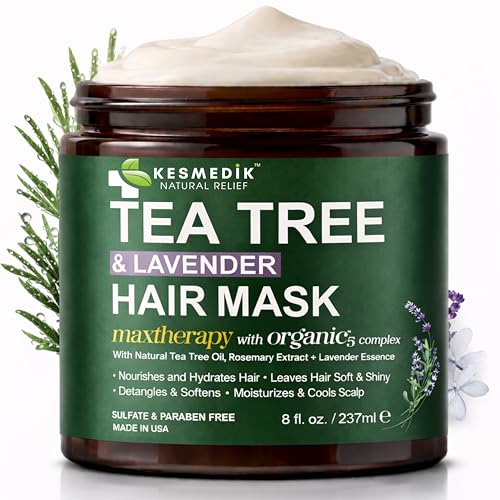
KESMEDIK Tea Tree Oil Hair Mask Conditioner, Refreshes Scalp, Sulfate-Free 237mL
The supplied listing names the KESMEDIK Tea Tree Oil Hair Mask Conditioner, gives a 237 mL size, and describes it as sulfate-free. Those details support an example of a specific purchase note; they do not establish product performance or equivalence to another hair mask.
View the exact item and current retailer offer →
Check the exact variant, seller, included pieces, care instructions and current terms. Purchases and checkout take place with the retailer.
Common questions
What if the buyer can’t reach me while shopping?
Set the fallback beforehand: for example, pause the purchase and tell you the exact item was unavailable. If you want the buyer to choose independently, define the permitted alternative clearly rather than leaving the decision open-ended.
Should I send a photo of the listing?
A photo can accompany the written product name and size, but keep the text in the note too. The text makes the request easy to refer to in a message and helps distinguish the requested item from an alternative.
Explore this subject
Prepared by Biz E-Deals using product listing information and general shopping considerations. We have not personally tested the item. Listing information can change; confirm details with the retailer.
Lifestyle context photo: Photo by Jose P. Ortiz on Unsplash. The pictured setting and items illustrate the topic; exact featured products are shown separately in this guide.
Your next useful read
Explore shopping guides →
Beauty & Personal Care
Before You Repurchase a Moisturizer, Make a Trial Record
A simple, dated record can make a later moisturizer repurchase decision easier to explain. Keep product details, use dates, and personal observatio...
Read the guide
Beauty & Personal Care
How to Read Shampoo Claims When Details Are Missing
A practical decision path for separating formula statements, certification wording and packaging claims before deciding whether a shampoo listing g...
Read the guide
Beauty & Personal Care
Shared-Shower Mix-Ups: Label Bottles Without Losing the Details
A practical labeling plan for households where several shampoos share a shelf, with attention to ownership, exact product names and replenishment.
Read the guideThe Biz E-Deals edit
Good finds. A little less searching.
Choose your email topics, start with our welcome guide, and join the list for upcoming curated editions.
Savings explained
More to discover
Choose my emails
Choose your email topics on the next page, then confirm in your inbox. Free and optional. No account needed. Privacy policy