
-
Shop by category
Explore all dealsExplore this collection for more finds.
View this find
- Amazon Best Sellers
- Under $25
-
Shop by brand
View all brandsExplore this collection for more finds.
View this find
-
eDeals & offers
Explore all dealsExplore this collection for more finds.
View this find
- Shopping guides
- Compare products Free tool
-
Shop by category
Explore all dealsExplore this collection for more finds.
View this find
- Amazon Best Sellers
- Under $25
-
Shop by brand
View all brandsExplore this collection for more finds.
View this find
-
eDeals & offers
Explore all dealsExplore this collection for more finds.
View this find
- Shopping guides
- Compare products Free tool
THE EVERYDAY EDITToys & Games
How to Resolve a Sorry! Rules Dispute and Keep Playing
A practical turn-by-turn method for sorting out disputed moves, keeping decisions fair, and returning to family play without turning a rules question into an argument.
Explore the picks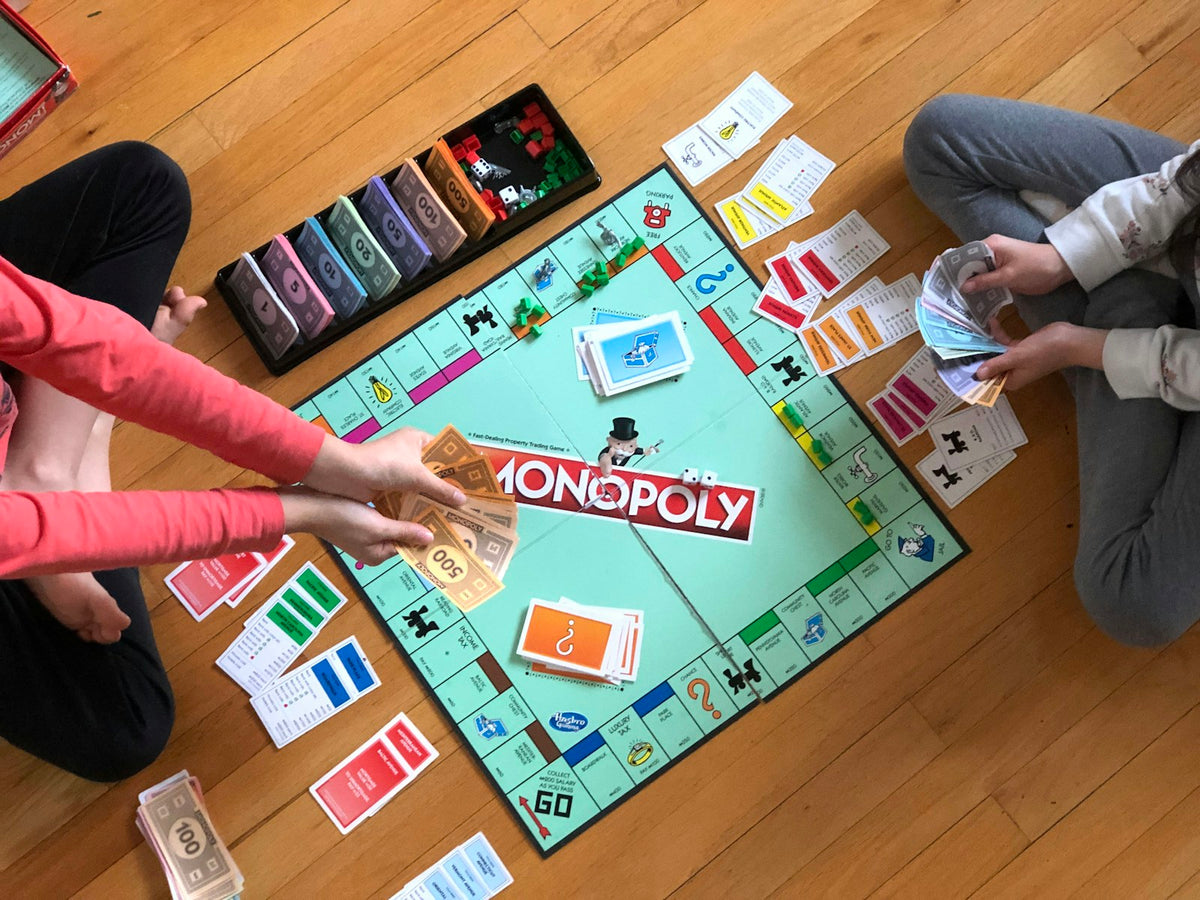
A disputed move can stop a family game faster than a difficult turn. One player may think a card allows a move; another may object because it sends a pawn back. Before the disagreement grows, give everyone the same small process: classify the question, preserve the board, find a shared reference, and agree how to continue. The goal is not to win the argument. It is to make a fair call and keep the game moving.
Ad · We may earn a commission. As an Amazon Associate I earn from qualifying purchases.
1. Name the kind of disagreement
Start by asking whether players disagree about what the rules allow or about which legal move would be smarter. Those are different conversations: a rule question needs a shared interpretation, while a strategy question can remain a difference of opinion. For example, if someone objects to a move in Sorry!, ask, “Are we unsure what the card permits, or do you think another move would have been better?” If it is strategy, the player who made the move can keep it; advice does not become a rule.
2. Freeze the exact position
If the question is about a rule, pause before moving pieces or drawing the next card. Point to the card and pawn involved, and briefly describe the proposed move. If a pawn has already moved, do not reconstruct the whole turn from memory: ask the players to state what they remember and agree on the position they are deciding about. In a tense moment, this simple pause gives everyone one shared situation to discuss instead of several competing versions.
3. Check one source together
Use the game's rules, if available, as the group’s common reference rather than relying on the most confident player or searching for a new interpretation from scratch. Read the relevant passage together and keep the question narrow: for instance, “What does this card allow in this situation?” The supplied product description says Sorry! involves card-dependent moves and sending opponents’ pawns back to the starting point, but it does not establish the details of any particular card. Avoid filling those gaps with remembered rules presented as certain.
4. Make a temporary ruling and resume
If the group cannot find an answer, say plainly that the ruling is provisional. Agree on one interpretation for the current turn, apply it, and use the same interpretation if the question arises again during this game. For example, if players cannot resolve whether a disputed move is permitted, choose together whether it stands or is undone, then continue from the agreed board position. This does not claim to settle the official rule; it prevents one uncertain question from restarting every time it comes up.
Before you decide
- Rule question or strategy opinion?
- Pause and identify the exact move.
- Consult the same rule source.
- If unresolved, agree on a consistent temporary call.
A relevant item to explore
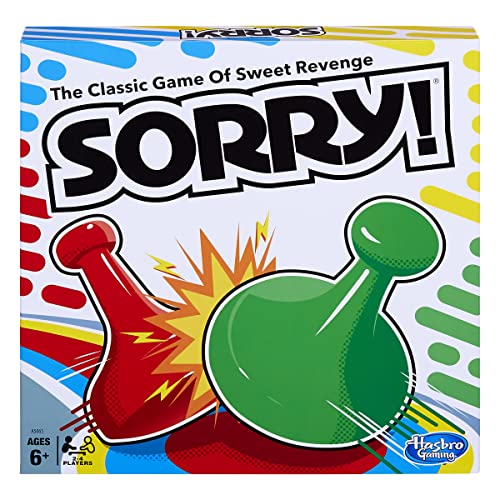
Sorry! Board Game for Kids Ages 6 and Up; Classic Hasbro Board Game; Each Player Gets 4 Pawns; Family Game
The supplied description presents Sorry! as a family game with card-dependent moves, pawn movement, and the possibility of sending opponents’ pawns back to the starting point. Those interactions make it a relevant example for this dispute-resolution process; no specific disputed move or unprovided rule is assumed.
View the exact item and current retailer offer →
Check the exact variant, seller, included pieces, care instructions and current terms. Purchases and checkout take place with the retailer.
Common questions
What if one player is still unhappy with the ruling?
Acknowledge the disagreement without reopening the decision repeatedly. Ask whether the player can accept the group’s temporary call for this game, even if they still disagree about the interpretation. If not, take a short break rather than continuing while the argument escalates.
How can we prevent the same unresolved question from carrying into another game?
After the game, note the specific question—not just “we argued about the rules”—and check the instructions before the next session. Then agree on how to handle that situation in future games. Keeping the discussion outside an active turn makes it easier to focus on the wording without holding up play.
Explore this subject
Prepared by Biz E-Deals using product listing information and general shopping considerations. We have not personally tested the item. Listing information can change; confirm details with the retailer.
Lifestyle context photo: Photo by Maria Lin Kim on Unsplash. The pictured setting and items illustrate the topic; exact featured products are shown separately in this guide.
Your next useful read
Explore shopping guides →
Toys & Games
A Tiny Menu, Three Rebuilds: Turn Food Builds Into a Story Routine
A simple pretend-menu routine can give a food-themed building session a clear beginning, middle and reset. Use one model as the starting point, let...
Read the guide
Toys & Games
Turn a DUPLO Street Build Into a Tiny Story
A simple storytelling routine can make one small DUPLO build serve three different kinds of play: constructing a scene, acting out a journey and sp...
Read the guide
Toys & Games
One Holiday Afternoon or Two Short Sessions? Plan a Two-Figure Build
A two-figure holiday building set offers a useful planning choice: make an occasion of finishing together, or leave room for a second session. Here...
Read the guideThe Biz E-Deals edit
Good finds. A little less searching.
Choose your email topics, start with our welcome guide, and join the list for upcoming curated editions.
Savings explained
More to discover
Choose my emails
Choose your email topics on the next page, then confirm in your inbox. Free and optional. No account needed. Privacy policy